SG PR Guide 2026: Pathways to Permanent Residency

Interest in sg pr continues to rise as Singapore prepares for significant changes to its permanent residency landscape in 2026. With its robust economy, world-class infrastructure, and reputation for long-term security, Singapore remains a top choice for professionals and families seeking stability.
Becoming a PR brings flexible career opportunities, access to quality public services, and the ability to sponsor family members for residency. This guide offers a clear, step-by-step overview of the main pathways to PR, explains the latest ICA rules, and shares practical strategies for a successful application.
You will find essential information on PR eligibility, application steps, the new REP rules, holistic ICA assessment, common pitfalls, and expert insights to help you navigate the 2026 PR process confidently.
Understanding Singapore Permanent Residency (PR)
Singapore Permanent Residency, or PR, is a highly sought-after status that allows foreigners to live, work, and enjoy many of the same privileges as citizens. Holding sg pr status means you can reside in Singapore long term and access essential public services. PRs have more stability than those on a Work Permit, S Pass, or Employment Pass, which are tied to employment and subject to renewal conditions. While PR is a pathway to full citizenship, it comes with obligations, such as national service for male children and meeting the requirements for Re Entry Permit renewal. Unlike temporary passes, sg pr status offers a sense of belonging and security, though it is not without its limitations.
What is Singapore PR?
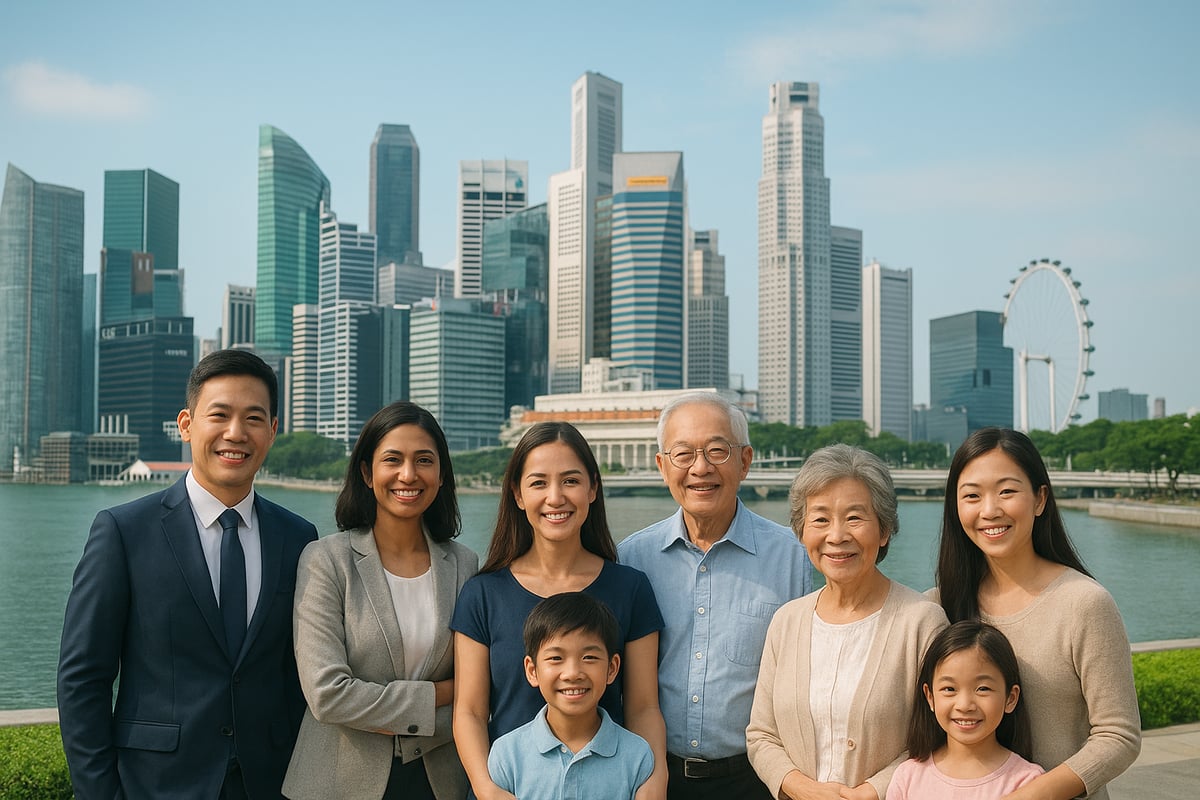
Singapore PR is an immigration status granted by the Immigration & Checkpoints Authority (ICA) that allows individuals to live, work, and study in Singapore without restrictions tied to a specific employer. As a PR, you can access subsidised public healthcare and education, and you have the flexibility to change jobs without reapplying for a new pass. PR status is distinct from Work Permit, S Pass, or Employment Pass holders, who remain tied to their employer and are subject to different renewal criteria. For many, sg pr is the first step toward citizenship, although it also brings responsibilities, such as national service for male children and the need to renew the Re Entry Permit (REP) for travel. The ICA assesses each case holistically, considering both benefits and obligations.
Key Benefits of Becoming a PR
Obtaining sg pr opens up a wide range of advantages for individuals and families. These include:
Greater employment flexibility and job mobility
Access to subsidised public healthcare and education
The ability to purchase certain property types, such as resale HDB flats
The option to sponsor family members for PR or long-term visit passes
Enhanced long-term security and stability
PR status also provides a sense of belonging and commitment to Singapore society. For a comprehensive overview, read about the Benefits of Singapore Permanent Residency. These advantages make sg pr a highly attractive goal for many planning a future in Singapore.
Types of PR Schemes in Singapore
Several pathways exist for obtaining sg pr, each tailored to different profiles:
Professionals/Technical Personnel & Skilled Workers (PTS) Scheme: For Employment Pass or S Pass holders working in Singapore.
Global Investor Programme (GIP): Designed for high-net-worth individuals investing in the local economy.
Foreign Artistic Talent Scheme: Targeted at artists and cultural contributors.
Family Ties Scheme: For spouses, children, or aged parents of Singapore Citizens or PRs.
Each scheme has specific eligibility requirements, and applicants should select the route that best matches their background and future plans. Choosing the right scheme increases your chances of a successful sg pr application.
Recent Trends and PR Statistics
Recent years have seen a steady demand for sg pr, with the ICA granting around 30,000 new PRs annually, according to official sources. Approval rates fluctuate based on policy shifts and national workforce planning priorities. The government periodically reviews PR criteria to balance population growth and integration. Recent trends show a strong focus on applicants who demonstrate long-term commitment, relevant skills, and integration into local society. These shifts align with Singapore’s broader goals for sustainable population and economic development, as outlined in official publications and planning documents. Staying updated on policy changes is crucial for any prospective sg pr applicant.
Who is Eligible for PR in 2026?
Gaining Singapore Permanent Residency (SG PR) is a significant goal for many who wish to build their future in Singapore. Understanding the eligibility requirements is essential, especially as new rules and assessment criteria come into effect for 2026. This section explains who can apply, what ICA looks for, and corrects common misconceptions about qualifying for SG PR.

General Eligibility Criteria
To qualify for sg pr in 2026, applicants must fit specific categories set by ICA. These include holders of S Pass, Employment Pass, or EntrePass, as well as spouses or children of Singapore Citizens or PRs. Investors and entrepreneurs who contribute to Singapore’s economy are also eligible, along with artists who have made notable cultural contributions.
Eligibility is not limited to employment status. Family ties, investment, or cultural achievements are all recognised pathways. For a detailed overview of the application process and documentation, refer to the Singapore PR application process.
Applicants should remember that fulfilling basic criteria does not guarantee approval, as ICA reviews each sg pr application individually.
Factors ICA Considers (Holistic Assessment)
ICA uses a holistic approach when assessing sg pr applications. Key factors include employment history, salary level, and the industry sector where the applicant works. Educational qualifications are important, with local degrees often viewed favourably. Family profile, such as dependents and integration efforts, also play a major role.
Other considerations involve the length of stay in Singapore and past contributions, like community involvement or volunteer work. There is no public PR scoring system; decisions are made on a case-by-case basis. ICA emphasises a balanced review, considering both tangible achievements and commitment to local society.
New and Updated Requirements for 2026
From December 2025, new requirements affect sg pr holders and applicants. The Re-Entry Permit (REP) grace period is set at 180 days for those overseas without a valid REP. After this period, PR status will be lost permanently, with no reinstatement option.
Timely REP renewal is now more critical, especially before travelling abroad. Updated Entry Permit (EP) conditions aim to ensure applicants are committed to Singapore for the long term. ICA’s focus is on selecting individuals who show genuine integration and a lasting intention to stay, so applicants should plan ahead and keep up with official announcements.
Common Misconceptions About PR Eligibility
Many myths surround sg pr eligibility. One common misconception is that a high salary alone guarantees approval. In reality, salary is just one factor among many. Another myth is that only certain nationalities are successful, but ICA assesses all applicants fairly, regardless of nationality.
There is no official points system for PR, and educational qualifications by themselves do not ensure approval. The holistic nature of ICA’s review means applicants must demonstrate a well-rounded profile, including integration efforts and family ties. Understanding these realities helps set realistic expectations and improves application outcomes.
Step-by-Step Guide: How to Apply for Singapore PR in 2026
Embarking on your sg pr journey can feel overwhelming, but a clear, step-by-step approach will help you navigate the process confidently. Whether you are a professional, entrepreneur, or applying through family ties, understanding each stage is crucial for success.
Step 1: Prepare Your Documents
The first step in any sg pr application is gathering the correct documents. The Immigration & Checkpoints Authority (ICA) requires a comprehensive checklist, covering personal identification, employment records, educational certificates, and family documents. Accuracy is critical — even a small error can delay your application or lead to rejection.
Typical documents include:
Passport and valid work pass (e.g., S Pass, Employment Pass)
Payslips, income tax records, and employer letters
Educational transcripts and certificates
Marriage and birth certificates for dependents
Recent passport-sized photographs
Ensure all non-English documents are translated by a certified translator. Double-check every detail before submission. Many applicants fall into common traps, such as missing pages or outdated forms. For a deeper look at frequent errors and how to avoid them, see Common PR application mistakes. Using ICA e-Services streamlines document uploads, but always review for completeness before submitting. Begin your sg pr journey with meticulous preparation.
Step 2: Submit Your Application Online
Once your documents are ready, log in to the ICA e-PR system using your SingPass account. If you do not have one, register online before proceeding. The sg pr application form will prompt you for personal, family, and employment details.
Follow each section carefully:
Enter accurate personal particulars
Include all family members in your household
Provide complete work and education history
Upload your supporting documents as per ICA’s guidelines. The system allows you to review before final submission. After checking, pay the application fee online. Keep your confirmation slip as proof. Submitting your sg pr application online ensures efficiency, but always verify every detail to avoid unnecessary delays.
Step 3: Wait for ICA Assessment and Updates
After submission, your sg pr application enters the review stage. ICA typically takes between six and twelve months to process applications, though timelines may vary. Throughout this period, ICA will contact you via email or post for any updates or additional information.
Keep your contact details current. If ICA requests further documents, respond promptly through the e-PR system. Patience is essential during this phase. Regularly check the status of your sg pr application and ensure you do not miss any official communication.
Step 4: Attend Interview or Provide Clarifications (If Required)
Not all sg pr applicants are called for interviews. ICA selects cases at its discretion. If you are invited, you may be asked to clarify personal, employment, or family information. Prepare by reviewing your submission and bringing any requested documents.
Tips for this stage:
Be punctual and presentable
Answer questions honestly and clearly
Bring original documents and certified translations if needed
Respond to ICA queries quickly, whether through written clarifications or in-person interviews. This helps maintain momentum in your sg pr application and demonstrates your commitment to the process.
Step 5: Receive Outcome and Next Steps
ICA will notify you of your sg pr application outcome by post or email. If approved, follow the instructions to complete remaining formalities, such as registering fingerprints and collecting your PR card at the ICA Building.
If your application is not successful, do not be discouraged. ICA recommends waiting for the specified cooling-off period before reapplying. Use this time to strengthen your profile and address any feedback. Every sg pr journey is unique, and persistence often pays off.
Step 6: Apply for or Renew Your Re-Entry Permit (REP)
After receiving PR status, you must obtain a valid Re-Entry Permit (REP) to travel in and out of Singapore. Apply for your REP via ICA’s online portal. The REP is typically valid for five years, but renewal depends on your continued residence and ties to Singapore.
Tips for maintaining REP validity:
Renew before your REP expires, especially before overseas travel
Monitor REP expiry dates closely
Update ICA on any changes in your situation
Without a valid REP, you risk losing your sg pr status if you remain outside Singapore beyond the allowed period. Managing your REP is as important as securing PR itself.
How a PR Specialist Can Improve Your Success Rate
Working with a PR specialist or immigration consultant can significantly enhance your sg pr application. These professionals review your documents, assess your profile, and help you avoid common pitfalls. They use data-driven strategies to present your strengths and address weaknesses.
Kenneth & Co. is known for its client-centric approach, offering a free initial assessment and tailored advice. While no consultant can guarantee approval, their expertise often results in higher success rates, especially for complex or high-risk cases. Personalised guidance can make a real difference to your sg pr outcome.
Navigating the New REP Rules and PR Status Maintenance
The landscape for sg pr holders is changing, especially with the revised REP rules coming into effect from December 2025. Keeping your permanent resident status secure requires a clear understanding of the new regulations and proactive steps to maintain compliance. This section explains the latest REP process, essential maintenance tips, potential pitfalls if status is lost, and answers to frequently asked questions.
Understanding the Revised REP Application Process (Effective Dec 2025)
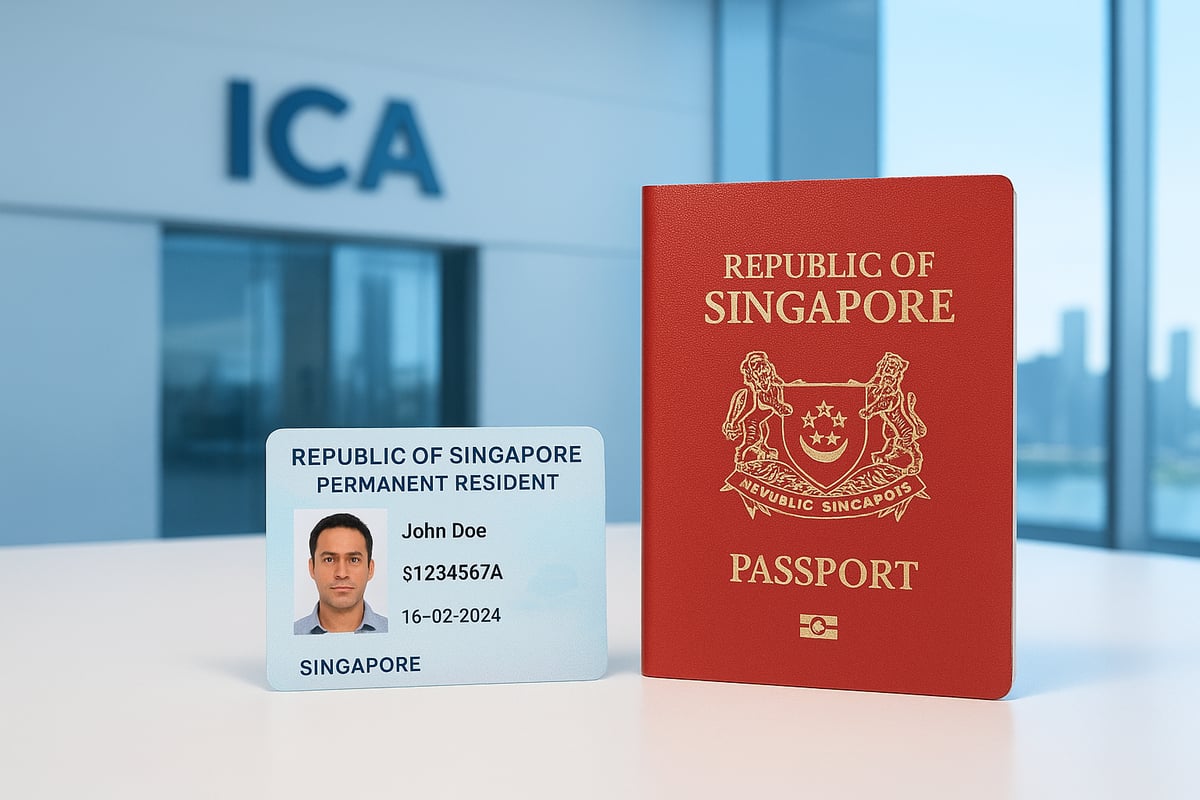
From 1 December 2025, the ICA will implement a new 180-day grace period for overseas sg pr holders whose Re-Entry Permit (REP) has expired. Previously, some flexibility existed for lapsed REP renewals, but this is changing.
If your REP expires while you are overseas, the 180-day countdown begins from the date of expiry. During this period, you can still apply for REP renewal online. However, if you do not renew within 180 days, you will automatically lose your sg pr status, and there will be no avenue for reinstatement. For example, if a PR’s REP expires on 2 December 2025 and they are overseas, they must renew by 31 May 2026. After this, PR status is lost permanently.
It is crucial to note that these rules apply to all sg pr holders, regardless of the reason for being abroad. The ICA will not consider appeals for reinstatement after the 180-day period. Always monitor your REP validity, especially before making travel plans.
How to Maintain Your PR Status
Timely REP renewal is the foundation of maintaining your sg pr status. Always check your REP expiry date before any overseas trip. The ICA recommends renewing your REP at least two months in advance to avoid processing delays or travel disruptions.
Stay updated on ICA announcements, as requirements can change. Long absences from Singapore may affect REP renewal eligibility, as ICA may question your long-term commitment. Consistent presence in Singapore demonstrates strong ties and increases your chances of smooth REP renewals.
What Happens If You Lose PR Status?
If you do not renew your REP within the 180-day window, or if your REP application is rejected, your sg pr status will be revoked immediately. There is no process for reinstatement—you would need to apply again as a new applicant, facing the same eligibility criteria as first-time PR hopefuls.
Losing PR status impacts your ability to work, reside in Singapore, and may affect family members and property ownership. The ICA advises all sg pr holders to act early and seek guidance if facing REP renewal challenges.
Frequently Asked Questions on REP and PR Maintenance
Can I re-enter Singapore without a valid REP? No, you can enter as a visitor, but you cannot return as a sg pr. What is a PR Single-Entry Pass? It is an exceptional pass, sometimes issued for urgent returns, but is not guaranteed.
How do the new REP rules affect families overseas? Every sg pr family member must renew their REP individually. If one family member’s REP lapses, their PR status will be lost after 180 days, regardless of others.
What if my REP application is pending after the 180 days? If you applied before expiry, ICA may consider your application. However, if you miss the window, PR status is lost.
For authoritative updates, refer to ICA’s official guidance, and consult a PR specialist for complex situations to safeguard your sg pr journey.
ICA’s Holistic Assessment: What Really Matters for PR Approval
Singapore’s PR application process is guided by a holistic assessment philosophy. ICA does not use a public points system for sg pr applications. Instead, each submission is evaluated on a range of interrelated factors. Understanding these areas is essential for anyone aiming for a successful outcome.
Key Assessment Areas
When reviewing sg pr applications, ICA focuses on your professional background, job stability, and sector relevance. Industry demand plays a significant role, with applicants from growth sectors often viewed favourably. Salary benchmarks are important, reflecting your economic contribution and progression.
Education is also considered, especially if you hold local qualifications. Family profile matters, particularly if you have dependents or strong ties to Singapore. ICA’s approach is comprehensive, ensuring each sg pr applicant is evaluated on their unique merits.
Integration and Contribution to Singapore Society
Successful sg pr applicants often show deep integration into local society. ICA values community involvement, such as volunteering, joining grassroots organisations, or participating in local events. These activities demonstrate commitment to Singapore’s social fabric.
Long-term residence and stable employment history also serve as integration indicators. ICA’s recent communications highlight the increasing emphasis on these factors, aligning with Overall Population Trends that prioritise social cohesion and sustainable population growth.
Common Pitfalls and How to Avoid Them
Many sg pr applications are delayed or rejected due to avoidable mistakes. Incomplete or inconsistent documentation is a frequent pitfall. Ensure all details are accurate and up to date, including employment history and family information.
Overstating achievements or omitting integration efforts can weaken your case. Failing to notify ICA about changes in your circumstances may also impact your application. For a stronger submission, consider reviewing cover letter tips for PR application to present your profile clearly and convincingly.
Realistic Expectations and Reapplication Strategies
It is important to approach the sg pr process with realistic expectations. Approval is never guaranteed, and outcomes are determined case by case. If your application is unsuccessful, ICA typically requires a cooling-off period before you can reapply.
Use this time to strengthen your profile—enhance your integration efforts, pursue further education, or develop your career. Persistence, patience, and continuous improvement are key for future sg pr success.
Expert Tips and Insider Insights for a Successful PR Application
Securing your sg pr status is a significant milestone, and a well-prepared application can make all the difference. By understanding what ICA values, staying updated on policy shifts, and leveraging the right resources, you can enhance your chances of approval. Here are expert strategies and insights designed to guide you through the 2026 application landscape.
Crafting a Strong PR Application
A compelling sg pr application is more than just a stack of documents. Focus on tailoring your submission to emphasise your professional achievements, community involvement, and long-term plans in Singapore. Address any potential gaps in your profile upfront.
Prepare a concise, well-organised cover letter if applicable.
Highlight local references or testimonials that support your integration.
Double-check all details for accuracy and consistency.
Remember, ICA reviews each case holistically, so present a well-rounded picture. Take time to review your application from an assessor’s perspective to ensure you are presenting your strongest case for sg pr approval.
Maximising Your Chances: What Sets Successful Applicants Apart
What distinguishes successful sg pr applicants often comes down to consistency and integration. Maintain a stable employment history and demonstrate career progression in Singapore.
Show active participation in community or grassroots activities.
Keep your REP up to date and comply with ICA requirements.
Time your application around significant milestones, such as work anniversaries or family achievements.
Applicants who go beyond the basics and actively contribute to local society tend to stand out. Demonstrating a genuine commitment to Singapore’s future is key for your sg pr journey.
Latest Policy Trends and What They Mean for Applicants
Staying informed about changing policies is crucial for sg pr success. Recent years have seen a move towards transparency, such as clear REP rules and a focus on applicants’ long-term integration. Singapore’s demographic priorities may shift in response to workforce needs and national planning. For context on how PRs fit into the broader population and economic landscape, see Population in Brief 2025.
Monitor official ICA and MOM updates regularly. Policy shifts can affect not only eligibility but also assessment criteria, so keeping current can give your sg pr application a strategic edge.
Resources and Where to Get Help
Applying for sg pr can be complex, especially with evolving requirements. Start with the official ICA and MOM websites for the latest guidelines and checklists.
Join community organisations for peer support.
Consult a PR specialist if your case is unique or high-risk.
Take advantage of free initial assessments offered by reputable consultancies.
Having the right support can help you anticipate challenges and avoid common pitfalls. Remember, a well-informed approach is vital to a successful sg pr outcome.
Now that you have a clearer understanding of Singapore’s PR pathways, eligibility, and the latest rules for 2026, you might be wondering how to put these strategies into action for your own journey. Navigating the application process can seem daunting, but you do not have to face it alone. At Kenneth & Co., we are here to provide expert guidance and personalised support at every step, from document preparation to holistic profile assessment. If you are ready to take the next step towards making Singapore your long-term home, Book an appointment with us today to discuss your unique pathway with a specialist.


