The Immigration Solution Guide: Your Pathway Explained 2026
Dreaming of a new life abroad? The world is opening up, with more people than ever seeking new opportunities across borders. Yet, the path to successful migration is often complex, filled with changing rules and uncertainty.
This guide is here to simplify the process. By breaking down the immigration solution step by step, you will gain clarity and confidence as you plan your journey in 2026.
We will explore the most up-to-date immigration pathways, eligibility criteria, application procedures, and common obstacles. Along the way, you will find expert tips designed to maximise your chances of approval.
Whether you are moving alone or with your family, use this guide as your trusted roadmap to navigate the evolving immigration landscape and achieve your goals with the immigration solution.
Understanding Modern Immigration Pathways
The world of migration is evolving rapidly, and understanding the latest shifts is essential for anyone seeking the immigration solution. With countries updating their policies post-2020, digitalisation and new work models have transformed how people relocate. Let us explore how the landscape has changed, what programmes exist, and how to choose the right route for your future.
The Evolution of Immigration Policies
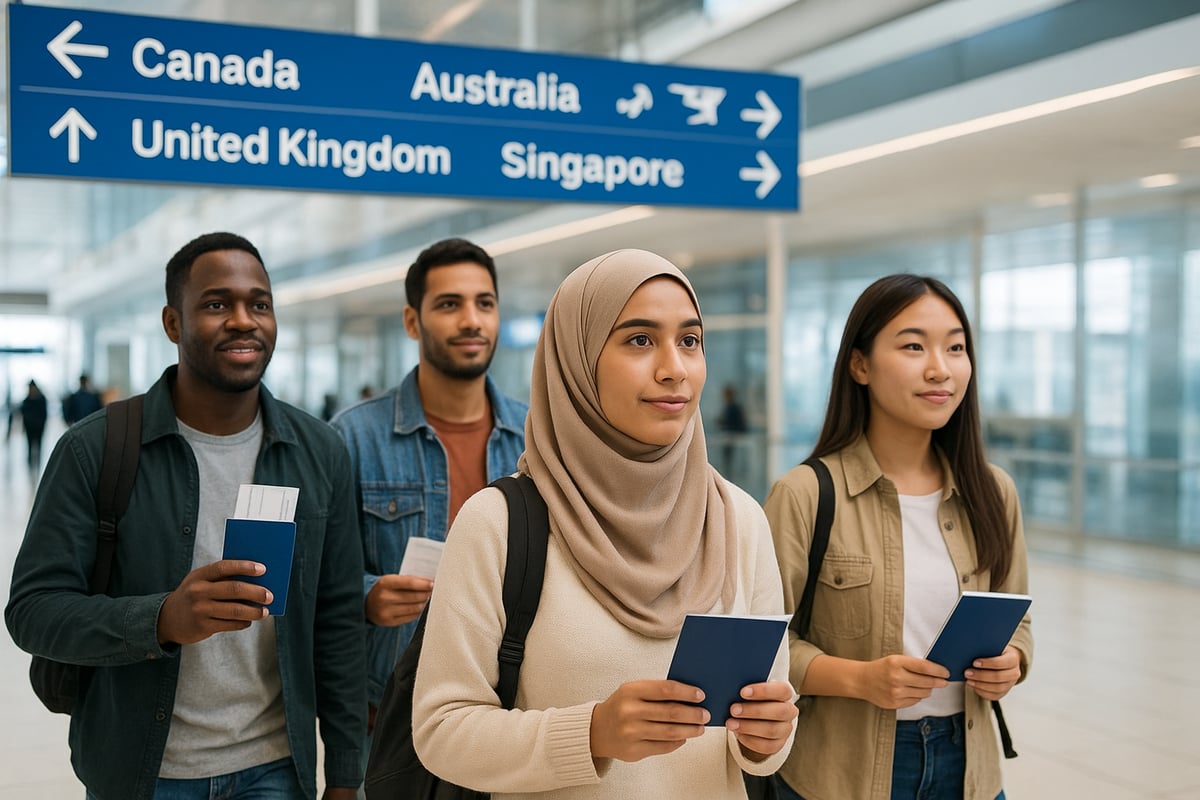
Since 2020, global immigration policies have seen significant transformation. The pandemic accelerated digitalisation, making remote work and virtual applications the norm. Countries such as Spain, Malta, and Portugal introduced digital nomad visas, opening new doors for tech-savvy professionals.
Demand for skilled migration has soared, and governments are actively introducing new visa categories to address talent shortages. Economic priorities, humanitarian needs, and flexible pathways now drive much of the policy reform. For those seeking the immigration solution, staying informed about these changes is critical to making the right choices.
Types of Immigration Programmes
When considering the immigration solution, you will find a wide range of programmes to suit different needs. Skilled worker schemes like Canada’s Express Entry or Australia’s Points System are popular for professionals. Family reunification and sponsorship visas allow families to join loved ones abroad.
Student and graduate migration routes attract young talent, while humanitarian, asylum, and refugee options support those in need. Special programmes, including digital nomad, investor, and entrepreneur visas, have gained traction. For a detailed comparison of digital nomad visas by destination, consult the Digital Nomad Visa Ranking 2025. Each programme has distinct criteria, so careful research is a must.
Choosing the Right Pathway for Your Goals
Selecting the immigration solution that matches your ambitions requires honest self-assessment. Start by evaluating your personal and professional objectives. Align your skills, qualifications, and experience with the requirements of different programmes.
For example, digital professionals often leverage nomad visas to work remotely while exploring new cultures. Consider whether you want a short-term move or a pathway to permanent residency. Compare temporary work, study, and long-term settlement options. Balancing immediate opportunities with future plans ensures your chosen route supports your goals.
Regional Differences and Key Destinations
Popular destinations for the immigration solution include Canada, Australia, the UK, EU nations, Singapore, and the UAE. Each has unique eligibility criteria, processing times, and approval rates.
Here is a quick comparison:
| Destination | Eligibility Difficulty | Processing Time | Approval Rate |
|---|---|---|---|
| Canada | Moderate | 6–12 months | High |
| Australia | High | 6–10 months | Medium |
| UK | Moderate | 3–6 months | Medium |
| EU (Portugal, Malta) | Moderate | 2–8 months | High |
| Singapore | High | 4–12 months | Low–Medium |
Factors influencing choice include language, job market, family ties, and cultural fit. Recent trends show rising interest in Canada and EU digital nomad visas, while Singapore and Portugal have become top picks for skilled talent. Comparing these elements helps you find the best fit for your migration journey.
Essential Eligibility Criteria and Documentation
Embarking on the immigration journey in 2026 requires a clear understanding of eligibility and documentation. The immigration solution begins with knowing what global authorities look for and how to present your case. Each country sets its own benchmarks, yet many requirements overlap.
Common Eligibility Factors Across Jurisdictions
Most countries require applicants to meet several core eligibility factors. The immigration solution often involves a mix of age, education, and language proficiency checks. Minimum income thresholds, proof of funds, and health and character assessments are standard.
Here is a summary of typical requirements:
| Factor | Example Requirement |
|---|---|
| Age | 18–45 years (varies by country) |
| Education | Diploma or degree |
| Language | IELTS 6.0+ or equivalent |
| Income/Proof of Funds | €2,500/month for digital nomads |
| Health/Character | Clean criminal record, medical check |
For instance, Canada’s Comprehensive Ranking System (CRS) assigns points for age, education, and experience, while the EU sets income benchmarks for digital nomad visas. Understanding these fundamentals is central to the immigration solution.
Document Preparation and Verification
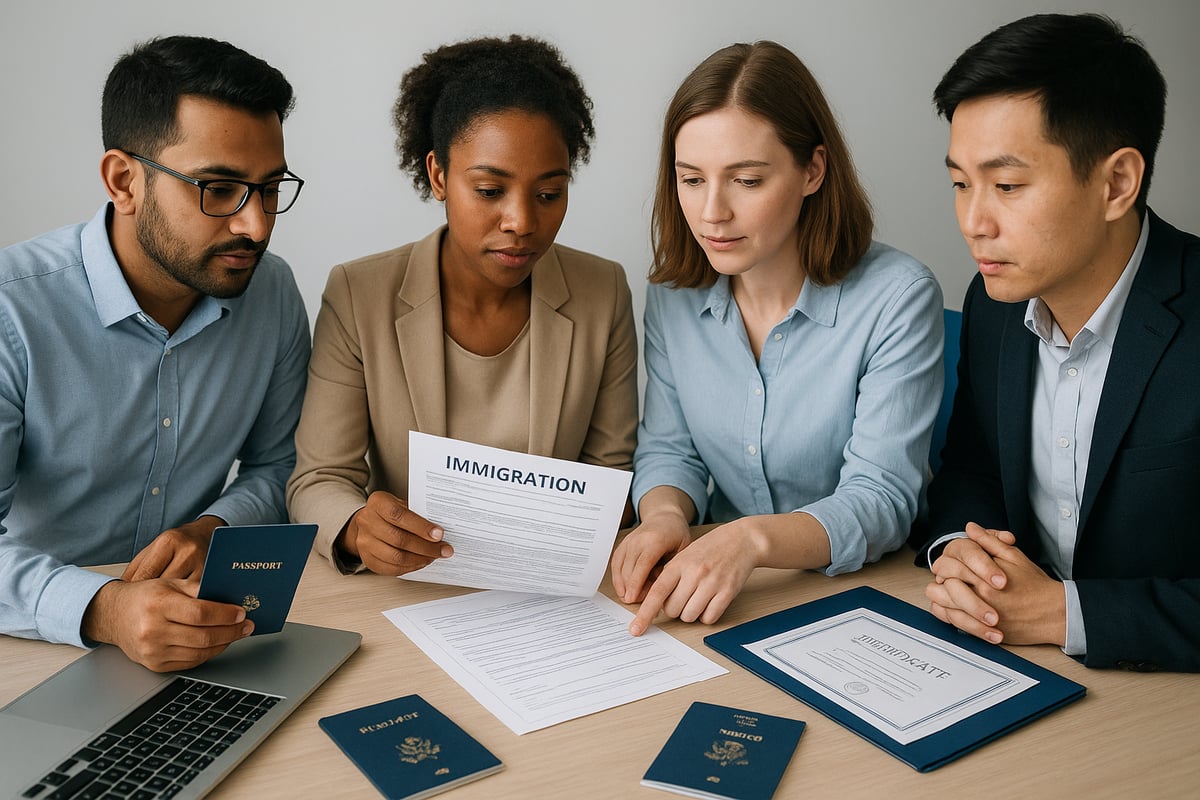
Accurate document preparation is at the heart of the immigration solution. Authorities typically request passports, academic qualifications, employment references, and financial statements. Certified translations and notarisation are often needed, especially for non-English documents.
A digital-first approach is becoming the norm, with many countries accepting e-submissions and e-verification. To avoid pitfalls:
- Double-check expiry dates on passports.
- Ensure translations are certified.
- Organise both digital and physical copies.
Common mistakes, such as incomplete or inconsistent paperwork, are a leading cause of rejections. Recent data shows document errors account for a significant share of failed applications, highlighting the importance of a meticulous approach to the immigration solution.
Navigating Country-Specific Requirements
Every nation tailors its process, making it vital to adapt the immigration solution for your destination. For example, the UK requires sponsorship certificates, while Australia demands a formal skills assessment. Family, student, and humanitarian visas may ask for additional evidence, such as health insurance or proof of relationship.
Singapore stands out for its rigorous checks. Applicants must meet the ICA’s due diligence checklist and often attend interviews. For a comprehensive overview of Singapore PR requirements, see the Guide to Singapore PR application.
Preparation is key: anticipate requests for extra documentation and be ready for interviews. Adapting the immigration solution to these specificities significantly boosts your chances.
Proving Genuine Intent and Long-Term Commitment
Demonstrating authenticity is a vital part of the immigration solution. A strong statement of purpose, evidence of ties to your home country (for temporary visas), and proof of integration potential all matter.
Consider these strategies:
- Highlight language skills and local employment prospects.
- Show community involvement and clear settlement plans.
- Include financial proof, such as Canada’s settlement funds or Australia’s commitment to stay.
A compelling narrative, backed by documentation, reassures authorities of your genuine intent. Strengthening the immigration solution with these elements can set your application apart.
Step-by-Step Immigration Application Process
Embarking on the immigration journey requires careful planning and a clear understanding of each stage. By following a structured approach, you can maximise your chances of success and avoid common pitfalls. This section breaks down the immigration solution process into six practical steps, guiding you from initial research to integration in your new country.

Step 1: Research and Self-Assessment
The journey to the immigration solution begins with thorough research and honest self-assessment. Start by identifying which immigration programme aligns best with your professional skills, family situation, and long-term objectives.
Use free online eligibility tools or official government checklists to compare your profile against different visa categories. For example, Canada and Australia offer points calculators to estimate your chances.
Consulting reputable government websites is essential. Misaligned applications are a leading cause of rejection, so ensure your profile matches the requirements before proceeding. Taking this step seriously sets the foundation for a successful immigration solution experience.
Step 2: Gathering and Preparing Documentation
Once you have selected the most suitable pathway, the next phase of the immigration solution involves meticulous document preparation. Create a checklist tailored to your chosen programme, including passports, qualifications, financial statements, and references.
Remember, some documents, such as police certificates and medical exams, may take weeks to obtain. Organise both digital and physical files, making sure all translations and notarisations meet the receiving country’s standards.
Canada's e-application portal, for instance, requires uploads in specific formats. Missing paperwork causes avoidable delays, so double-check each item. Proper preparation at this stage streamlines the entire immigration solution process.
Step 3: Submitting the Application
With your documents in order, you are ready to submit the application as part of the immigration solution. Most countries now prefer online submission, though paper-based options may still exist in some jurisdictions.
Pay all necessary application and processing fees promptly. Before you send in your application, review every section for completeness and accuracy. Many systems provide tracking numbers, allowing you to monitor progress in real time.
Processing times vary widely. For example, Canada’s Express Entry averages six months, while some EU countries may take longer. Careful attention to detail here increases the likelihood of a positive outcome for your immigration solution.
Step 4: Attending Interviews and Biometrics
Some applicants will be required to attend interviews or provide biometrics as part of the immigration solution process. This step applies particularly to skilled worker, family reunion, and humanitarian visa applicants.
Interviews may be conducted in person or virtually. Expect questions about your background, purpose, and plans. Prepare by reviewing your application and practising clear, honest responses.
Biometrics, such as fingerprinting and photos, are standard in many countries. Bring all requested documents to avoid unnecessary rescheduling. Confidence and thorough preparation help you navigate this phase of the immigration solution smoothly.
Step 5: Receiving a Decision and Next Steps
After completing interviews and biometrics, you will receive a decision regarding your application for the immigration solution. Approval, rejection, or requests for additional information are all possible outcomes.
If approved, you will receive instructions on travel, accommodation, and settlement. For those moving from work permits to permanent residency, resources like the Steps from work permit to PR guide can clarify the next stages.
If further information is required, respond promptly to maintain momentum. Understanding the process and planning ahead ensures a seamless transition through the immigration solution journey.
Step 6: Post-Arrival Requirements and Integration
The final step of the immigration solution focuses on successful integration after arrival. Register with local authorities, set up bank accounts, and arrange healthcare as soon as possible.
Take advantage of language and cultural orientation programmes to ease adaptation. Seek employment or education opportunities to accelerate settlement.
Many countries offer support services and networking groups to help newcomers thrive. Staying proactive in this stage is vital for long-term success with the immigration solution.
Overcoming Common Challenges and Pitfalls
Immigration is a journey marked by both ambition and uncertainty. Many applicants encounter obstacles that can delay or derail their plans. By understanding the most frequent challenges and adopting the immigration solution tailored to your needs, you can navigate the process with greater confidence.
Navigating High Rejection Rates
Rejection rates for immigration applications can reach as high as 75 percent in highly sought-after countries. The immigration solution begins with understanding why applications fail.
Common reasons include:
- Incomplete or incorrect forms
- Insufficient supporting documents
- Ineligible profiles
For example, a simple document error could result in immediate refusal. To minimise risk, always double-check every detail and consider a professional review before submission. For more insights, see this guide on common immigration mistakes to avoid. Official checklists and support hotlines are also valuable resources for applicants.
Managing Application Fees and Financial Planning
Budgeting is a critical part of the immigration solution. Application fees, medical exams, translations, and courier services can add up quickly. For example, the total cost for a family migrating to Canada or the UK may exceed several thousand pounds.
Consider these typical expenses:
- Application and processing fees
- Health checks and insurance
- Certified translations
- Relocation and settlement costs
Plan ahead by researching fee structures for your destination and gathering proof of funds. Financial readiness not only increases your chances of success but also ensures a smoother transition after approval.
Dealing with Delays and Changing Policies
Processing times often vary due to global events, policy shifts, or increased demand. The immigration solution requires flexibility and proactive planning.
Potential causes of delays:
- Sudden policy changes
- Incomplete applications
- Additional document requests
Stay updated through official announcements and alerts. Always prepare backup options in case of unexpected changes. Real-life cases show that those who adapt quickly are more likely to succeed, even when faced with unforeseen obstacles.
Addressing Language and Skills Barriers
Language proficiency and skills recognition are central to the immigration solution, particularly for skilled worker and student pathways.
Key requirements:
- Passing language tests (IELTS, TOEFL, local alternatives)
- Completing skills assessments (especially for regulated professions)
- Participating in bridging or upskilling programmes
Applicants with higher language scores and relevant qualifications are statistically more successful. Consider joining pre-arrival courses or online training to boost your profile before you apply.
Ensuring Long-Term Success Post-Migration
The immigration solution does not end with visa approval. Successful integration is vital for long-term stability and satisfaction.
Post-arrival steps:
- Registering with local authorities
- Accessing settlement and language programmes
- Building social and professional networks
Many countries offer pathways from temporary status to permanent residency or citizenship. Monitoring visa compliance and taking advantage of support services will help you achieve your migration goals and thrive in your new community.
Expert Tips and Insider Strategies for 2026
Navigating the immigration journey in 2026 demands more than basic research. With the immigration solution evolving rapidly, leveraging expert insights can make the difference between success and disappointment.
Leveraging Digital Tools and Resources
Embracing technology is now essential for anyone seeking the immigration solution. Official government portals, such as Canada’s Express Entry and Australia’s SkillSelect, provide reliable eligibility checkers and up-to-date requirements. Third-party platforms offer digital document management, automatic reminders, and progress tracking, streamlining the often complex process.
Online communities and forums enable real-time peer support, sharing insights on country-specific rules and recent experiences. For those considering remote work, the Global Digital Nomad Report 2025 is a valuable resource, highlighting the latest digital nomad visa options and trends. Always verify sources to avoid scams and rely on official channels for the most accurate information.
Building a Strong Application Profile
A compelling application is at the heart of the immigration solution. Highlighting unique skills, relevant work experience, and community involvement can set you apart. High-quality references and tailored personal statements demonstrate credibility and intent.
Consider including volunteer work or upskilling achievements that align with your destination’s values. For example, applicants with advanced language skills or industry certifications often see higher approval rates. Use a checklist to ensure every section of your application meets the specific requirements of your chosen country, maximising your profile’s impact.
Preparing for Policy Changes in 2026
Staying informed about evolving immigration policies is crucial for the immigration solution in 2026. Governments are expected to introduce more digital pathways, remote work visas, and talent-based migration streams. Regularly monitor official announcements and pilot programmes to stay ahead.
For those interested in Singapore, the Trends in Singapore immigration policies blog provides insights into recent and upcoming changes. Flexibility is key, so always prepare backup plans in case of sudden rule adjustments. Anticipating these shifts ensures your application remains competitive and compliant.
Maximising Success with Professional Support
Sometimes, the most effective immigration solution is to seek professional support. Accredited consultants and legal advisors can help you navigate complex requirements, review documentation, and represent your interests. Assess the cost-benefit by comparing DIY applications with expert-led cases, noting that professional guidance often improves approval rates.
Choose advisors with proven track records and transparent fees. Case studies show that applicants who invest in professional support are better equipped to handle unexpected challenges and policy changes, increasing their chances of a positive outcome.
Real-Life Success Stories and Lessons Learned
Learning from others’ experiences is a powerful part of the immigration solution. Many successful migrants cite persistence, preparation, and adaptability as keys to their achievements. Common mistakes include submitting incomplete forms or failing to provide sufficient supporting evidence.
Take inspiration from those who overcame setbacks by refining their approach or seeking expert help. User reviews and competitor testimonials reveal that thorough research and proactive planning consistently lead to smoother transitions, reinforcing that preparation truly pays off.
Country-Specific Spotlight: Singapore’s Immigration Landscape
Singapore stands as a top destination for skilled professionals and families seeking the immigration solution that fits their ambitions. The city-state offers a range of pathways, including Permanent Residency (PR), work passes, and educational options. Its system is renowned for strict due diligence and a competitive selection process, especially for PR status.
Applicants must typically demonstrate strong professional backgrounds, with a clear emphasis on sectors like tech and healthcare. Work passes such as the S-Pass and E-Pass cater to different skill levels, while international students benefit from clear education-to-employment pathways. Recent trends show rising demand for these routes, reflecting Singapore’s commitment to attracting global talent.
Unique Features of Singapore’s Immigration System
Singapore’s immigration system is designed to attract individuals who can contribute meaningfully to its economy and society. The immigration solution here involves multiple routes, such as the S-Pass for mid-skilled staff, the E-Pass for professionals, and PR for long-term stay.
Due diligence is rigorous, with high rejection rates for incomplete or misaligned applications. For example, PR applicants must provide detailed job histories and financial records, while international students must meet strict educational standards. The government’s focus on skilled professionals, especially in technology and healthcare, has shaped current policies and approval trends.
Strategic Approaches for Singapore-Bound Migrants
To succeed with the immigration solution in Singapore, applicants must align their profiles with the country's key priorities. Comprehensive self-evaluation and tailored applications are essential.
Education is a strategic pathway, with many transitioning from student pass to work pass and eventually PR. Employer sponsorships and industry partnerships can strengthen applications, especially in sectors facing talent shortages. According to recent data, approval rates are higher for those demonstrating a clear fit with Singapore’s economic vision and for applicants who avoid common pitfalls such as incomplete documentation.
Kenneth & Co.: Your Partner for Singapore Immigration Success
For those seeking expert guidance on the immigration solution, Kenneth & Co. stands out as a leading Singapore immigration consultancy. Their services cover PR and citizenship applications, work pass solutions, and education placement for families and individuals.
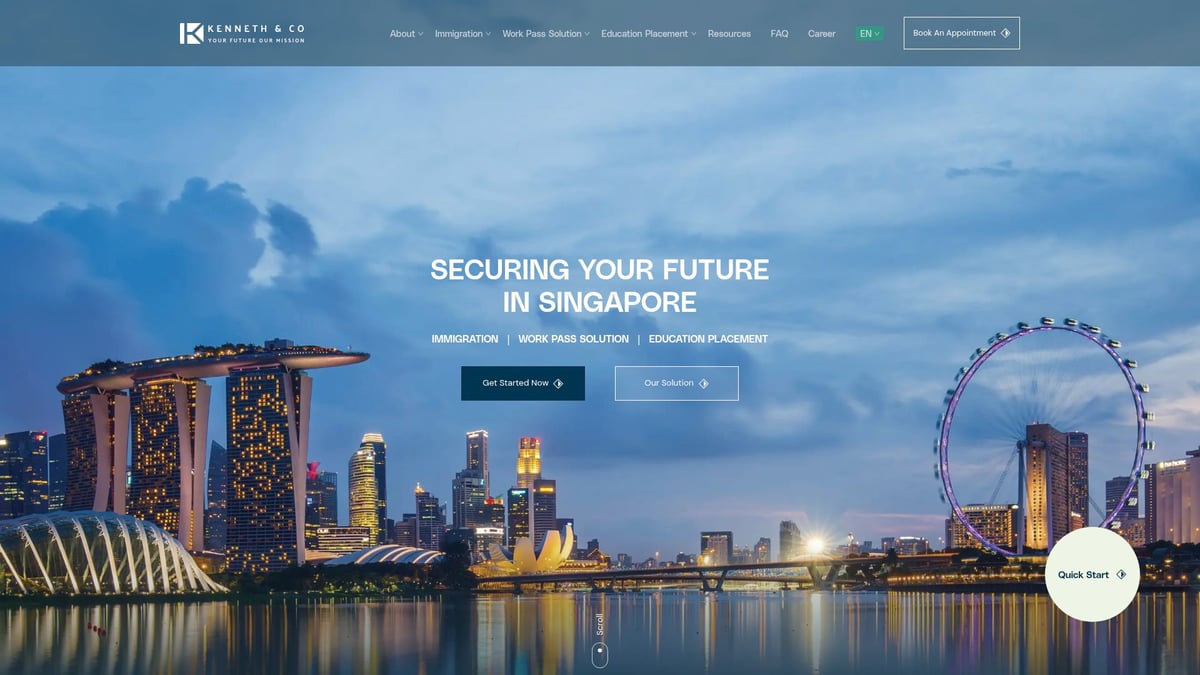
What makes Kenneth & Co. unique is their data-driven approach, ensuring every application complies with ICA due diligence and maximises success rates. They specialise in supporting Malaysians, Filipinos, Myanmar citizens, and current work pass holders. Prospective clients benefit from a free profile evaluation and a comprehensive e-book, helping them make informed decisions at every stage.
Integration and Long-Term Opportunities in Singapore
Securing the immigration solution is only the first step to building a future in Singapore. After arrival, migrants receive support for housing, banking, healthcare registration, and community integration.
Career advancement is encouraged through pathways from work pass to PR and eventually citizenship. Education and upskilling opportunities are available for both adults and children, supporting long-term success. Many migrants share stories of thriving careers and fulfilling lives in Singapore, aided by active settlement agencies, language programmes, and professional networking groups.
As you explore the pathways and practical tips we’ve discussed, you’ll notice just how much planning and preparation can shape your immigration journey. Whether you’re aiming for permanent residency, a work pass, or an educational opportunity in Singapore, having expert support can make all the difference. If you’re ready to take the next step or have questions about your eligibility, I recommend connecting with specialists who truly understand the ins and outs of Singapore’s immigration landscape. Let’s make your goals for 2026 a reality—Book an appointment to start your personalised consultation today.
Article written using RankPill.


